
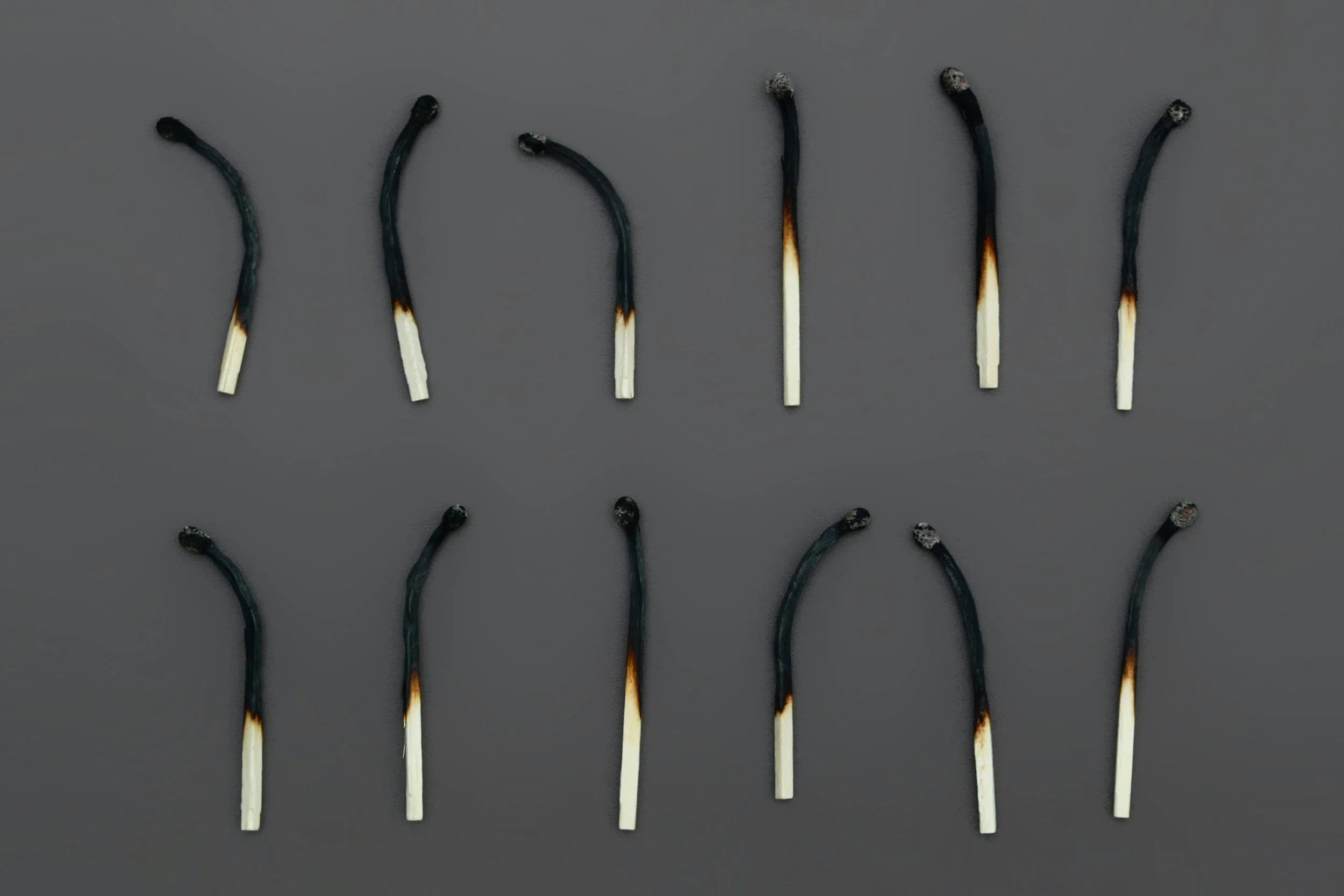
Burnout is a pervasive issue in academia, affecting early, mid, and senior career scholars alike. Whether it’s the pressure of balancing teaching and research or the emotional drain of managing colleagues, burnout is everywhere in the academic career space. Understanding the underlying causes of burnout can help you avoid it before it takes hold.
The Culture of Overwork and Metrics
One common reason for academic burnout is the culture of overwork. Academia may seem to reward long hours and the (wrongly) associated productivity, with metrics like publications and grants determining career success. While this system is widely recognised, it’s crucial to realise that overwork itself doesn’t guarantee success.
Metrics are important, but no amount of hours will help you meet unrealistic expectations, address bad prioritization, or compensate for people pleasing. The key is not to fall into the trap of thinking you must be good at everything. Trying to excel at every metric will only lead to exhaustion and burnout. Instead, focus on choosing which metrics matter most to your career and avoid spreading yourself too thin.
Misaligned Expectations: The Core Driver of Burnout
A major contributor to burnout is misaligned expectations- working in a system that doesn’t match your values. Academia often forces us to conform to an environment that doesn’t reflect our personal ideals. We’re asked to take on tasks, responsibilities, and roles that don’t align with our strengths or career goals.
This mismatch between personal values and institutional expectations leads to frustration. If you continuously strive to change the system or make it conform to your expectations, you will exhaust yourself. Instead, accept the reality of academia. Work within the system as it is, recognising its limitations, and focus on areas you can control. This mindset shift is crucial to avoiding burnout.
Perfectionism and Imposter Syndrome
Perfectionism is another major driver of burnout. Many academics feel compelled to meet impossibly high standards, not just in their writing but across every aspect of their work. This often leads to imposter syndrome, where you feel like you're never good enough, no matter how much you accomplish.
The fear of not being perfect can lead to endless revisions, anxiety, and self-doubt, making it harder to complete projects. Accepting that no one is perfect is essential. It's important to learn when good enough is enough and stop striving for an unattainable ideal that only leads to stress.
The Importance of Boundaries
Lack of boundaries is a common theme in burnout. Without clear boundaries around your time, it’s easy to fall into the trap of work overload. Whether it's answering emails at all hours, attending unnecessary meetings, or constantly responding to colleagues’ demands, a lack of boundaries can quickly lead to exhaustion.
To avoid burnout, set strong personal and professional boundaries. Protect your time, and remember, not everything is an emergency. Taking breaks and ensuring you have time to rest and recharge is crucial for long-term productivity.
Conclusion: Preventing Burnout Through Realistic Expectations
Burnout isn’t just about the workload; it’s about how you respond to the system. The key to avoiding burnout lies in aligning your expectations with the reality of academia. Recognise the stressors, set boundaries, and learn to manage your time and energy effectively.
Remember, academia is demanding, but with the right mindset and strategies, you can thrive without burning out. Focusing on what’s truly important, accepting what can’t be changed, and maintaining boundaries will ensure you stay balanced and productive throughout your academic career.
If you would like help managing your writing and other workload so you can work sustainability, you might like to check out my Collective, where we do exactly this!
Continue reading:
How Essential Writing Time Gets Lost in Academia
Your Department Has No Memory… And What This Means For You
Academic Meetings: A Productivity Drain
Teaching vs Research. But if you care about research, aren’t you the asshole?
Managing Chronic Illness in Academia: How to Thrive Despite the Challenges
How To Improve Writing Through Deliberate Practice
4 Things Successful Academic Writers Do (Pt 4): Constant Improvement of Writing Skills
4 Things Successful Academic Writers Do (Pt 3): Writing First
4 Things Successful Academic Writers Do Pt 2: Writer Identity
4 Things Successful Academic Writers Do Pt 1: The Power of Time Control
Academic Training (or lack of it)
When Writing is Your Hobby, Your Academic Career Dies
The Drainers and the Drivers: A 10 Minute Writing Hack
Expanding capacity as a tool of writing
The self-care narrative, gaslighting and academia
How to make time for reading as an academic
Realism and Time Tracking: a feasible pipeline
Understanding your Publication Pipeline: What goes in?